BY COLLINS OPUROZOR
The logic of politics begins with plurality and ends with unity. A national convention of a political party is the bridge between both. It is a constructed moment of unity where disagreement is transformed into a single authoritative outcome. It is not the discovery of a pre-existing will; it is the creation of one. In this sense, the forthcoming national convention of the All Progressives Congress on March 27 and 28, 2026, is not merely procedural. It is foundational.
This understanding aligns with the thinking of the German philosopher, Jürgen Habermas. A convention, at its highest ideal, is a process where the better argument wins. It is where persuasion, negotiation, and reason are expected to prevail over imposition. Delegates gather not just to vote, but to deliberate. They weigh interests, reconcile differences, and converge on outcomes that can command collective acceptance.
Yet, the convention also goes beyond what Émile Durkheim described as a ceremony of belonging or the sacralization of authority. It is more than symbolism. It is not just about reaffirming identity or celebrating leadership. It is about producing legitimacy through participation, giving form and direction to the living body of the party.
In the case of the APC, the road to this convention has been marked by wide consultation and layered participation. From ward to local government, and from state to national engagements, members have been involved in shaping the process. Interests have been expressed. Alliances have been built. Disagreements have been managed within institutional channels. This steady engagement has strengthened internal cohesion.
Such participatory processes do more than select leaders. They build ownership. They deepen loyalty. They reassure members that the party belongs to them. When people see themselves in the process, they are more likely to defend its outcomes. This is how unity is forged; not by suppressing differences, but by organizing them into a common direction.
Beyond the party, these processes have contributed to the growth of democracy in Nigeria. There was a time when internal contests within parties led to violence, abductions, and destruction of property. The contrast is clear. The APC has shown that internal competition can be structured, peaceful, and rule-bound. If political parties are training grounds for leadership, then how they conduct their affairs matters greatly. Through its evolving internal culture, the APC is grooming leaders with the discipline and outlook required to move Nigeria toward the league of advanced and civilized nations.
The convention, therefore, will serve as a point of closure and renewal. It will produce a leadership that carries the collective mandate of the party. It will align structures for the electoral tasks ahead. It will also send a clear signal to the electorate that the APC remains organized, focused, and prepared for governance.
This ethos is reflected in governance outcomes, notably in Imo State under the leadership of Hope Uzodimma. His administration has become a reference point for what the APC stands for when guided by its founding values. Across sectors, Imo has recorded peerless progress. Investments in digital skills, road infrastructure, power, and security have created conditions for industrial growth. Increasingly, the state has become an attractive destination for investible capital the world over, offering a practical demonstration of how purposeful leadership can translate party ideals into measurable development.
Ultimately, this unity of purpose will translate into strength at the polls in 2027. A party that has resolved its internal questions is better positioned to face external competition. With cohesive leadership and energized membership, the APC can consolidate its electoral advantage. More importantly, it can sustain its commitment to delivering improved governance and better outcomes for Nigerians.
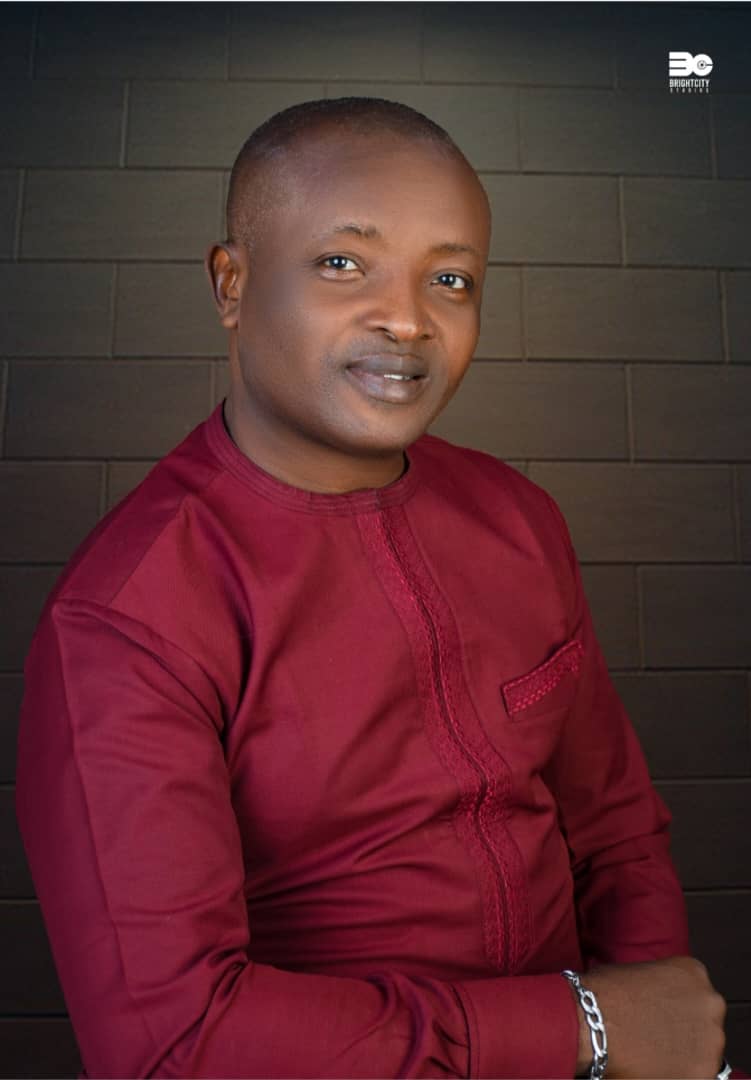
Collins Opurozor is a Member of the Media/Publicity Committee of the 2026 APC National Convention.