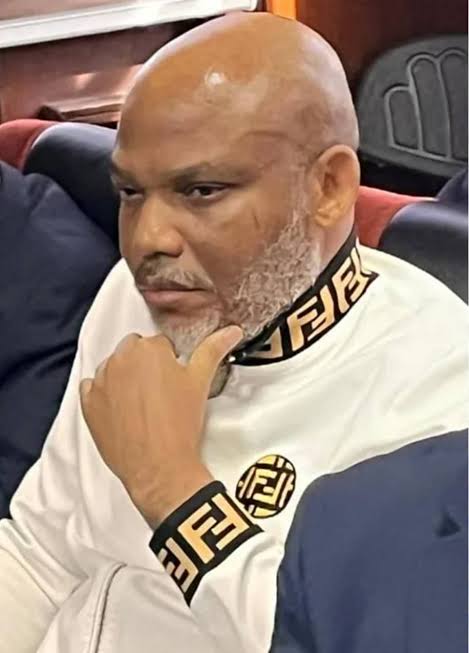
Dr. David Nwaenyi
Under Section 4(2) of the Constitution of the Federal Republic of Nigeria 1999 (as amended), the executive powers of a state are vested in the governor and extend to the execution and maintenance of the Constitution and all laws made by the House of Assembly of that state.
This constitutional provision means that governor Charles Chukwuma Soludo possesses the powers to issue and enforce directives – including restricting access to public places like the Onitsha main market – if there is a legal basis in state law, or if measures are deemed necessary for peace, safety, and public order.
The 1999 Constitution (as altered) recognizes that the National Assembly and state Houses of Assembly can make laws for the maintenance and security of public order and public safety. Section 11(1) specifically allows legislation relating to the maintenance of public safety and public order, and a state House of Assembly can enact laws to maintain peace and order within the state.
State governments typically enact public order or safety laws (e.g., state Public Order Acts or market regulation laws) through their Houses of Assembly, empowering the governor (through the Executive arm) to restrict or regulate gatherings, commerce, or access to public spaces when a threat to order or the economy exists.
In Nigeria, state governors have historically used such executive powers – in conjunction with security agencies to enforce compliance with state directives on business operations and public safety.
The most relevant legislation backing this action is the Anambra State Homeland Security Law, 2025. This law was passed by the Anambra State House of Assembly and signed by the governor to establish a structured security framework known as Agunechemba; to complement existing security forces in preventing crime, detecting threats, and preserving peace and public order across the state.
Under this law, the state government has legal backing to deploy security personnel, coordinate public safety efforts, and take necessary measures to protect lives, properties, and economic activities. While the law does not say “shut down markets” in explicit terms, it empowers the state to maintain public order, which includes taking actions to ensure compliance with government policies and directives that affect public peace and security.
In the case of the Onitsha main market, Governor Chukwuma Soludo ordered the market closure because traders continued to observe the Monday sit-at-home despite government appeals to resume normal economic activity. The government described this non-compliance as undermining public order and economic stability, justifying the shutdown as a protective and corrective measure.
In practice, such actions are often backed by state statutes on public order, emergency powers in extreme cases, and the governor’s executive authority to ensure the welfare and general safety of citizens.
My advice to the shop owners is to cooperate with the government and use the opportunity to strengthen the security of the market, by flushing out the crimínal elements destroying the image of the market and in extension the South East.